

About Us
Germany is a major nation-state in North-Central Europe, officially known as the ‘Federal Republic of Germany.’ It currently functions as a federal parliamentary republic. As of 2025, it is home to approximately 83.4 million people and comprises 16 constituent states (Länder), with its unified capital located in Berlin. Historically, this region was a mosaic of various tribes and states within the Holy Roman Empire, until it was first unified as a single nation-state in 1871 under the leadership of Otto von Bismarck. Following the immense devastation and total defeat suffered during World War II, the country was divided into two distinct states—West Germany and East Germany. The Berlin Wall stood between these two entities; it fell peacefully in 1989, leading to the country’s official reunification on October 3, 1990.
Germany is a fantastic destination for a vacation, as it offers something special for everyone and is incredibly easy to navigate. Here, you can visit fairytale-like castles such as Neuschwanstein, enjoy hiking in the beautiful Black Forest, or explore modern cities like Berlin, which are steeped in history and exceptional art. One of the country’s greatest assets is its public transportation system; you can reach almost any city or small village—without the need for a car—via fast and clean trains.
Today, Germany is recognized as Europe’s largest economy and a global leader in high-tech industrial sectors such as automotive manufacturing, engineering, and chemicals. Its diverse landscape stretches from the flat plains of northern Germany to the forested hills of the central uplands, and extends southward to the snow-capped Bavarian Alps. Major rivers such as the Rhine, the Danube, and the Elbe flow through this region. Culturally, it is often referred to as the “Land of Poets and Thinkers” (Land der Dichter und Denker). It boasts a rich heritage of classical music—featuring great composers like Beethoven and Bach—along with a strong tradition in philosophy, science, and literature.
Germany is generally considered one of the safest countries in the world for travelers. Thanks to a high standard of living, reliable public infrastructure, and a visible and effective police presence, most trips proceed entirely without incident. However, to ensure an even smoother and safer journey, it is advisable to observe the standard precautions typically exercised in urban areas. Think of Germany’s economy as a vast, smoothly running machine designed to ensure success for everyone. It operates as a “Social Market Economy,” meaning it allows businesses to compete freely while simultaneously maintaining a robust social safety net to provide support should anyone encounter difficulties. The government supports the nation by investing billions in new technologies, green energy, and the maintenance of roads and bridges
Most Famous And Attractive Tourist Places In Germany :
1. The Berlin Wall
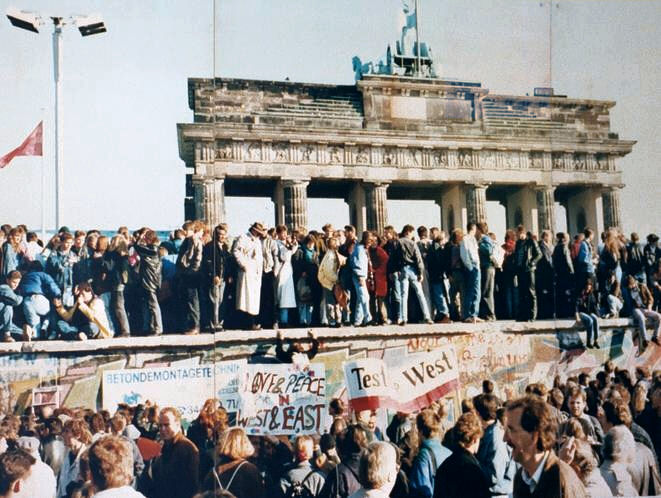
The Berlin Wall stands as one of the most powerful and somber symbols of the Cold War, a concrete barrier that physically and ideologically divided the city of Berlin from 1961 to 1989. Originally constructed by the German Democratic Republic (East Germany) to prevent its citizens from fleeing to the democratic West, it stretched over 155 kilometres and was fortified with watchtowers, trenches, and the infamous “death strip.” Today, while most of the wall has been demolished, significant sections like the East Side Gallery remain, transformed into a massive open-air mural stretching 1.3 kilometres and featuring works by artists from around the world. Visiting the wall and its associated memorial sites, such as Checkpoint Charlie and the Berlin Wall Memorial on Bernauer Strasse, offers a profound look into the resilience of the human spirit and the historic moment of German reunification that changed the world.
2. The Black Forest
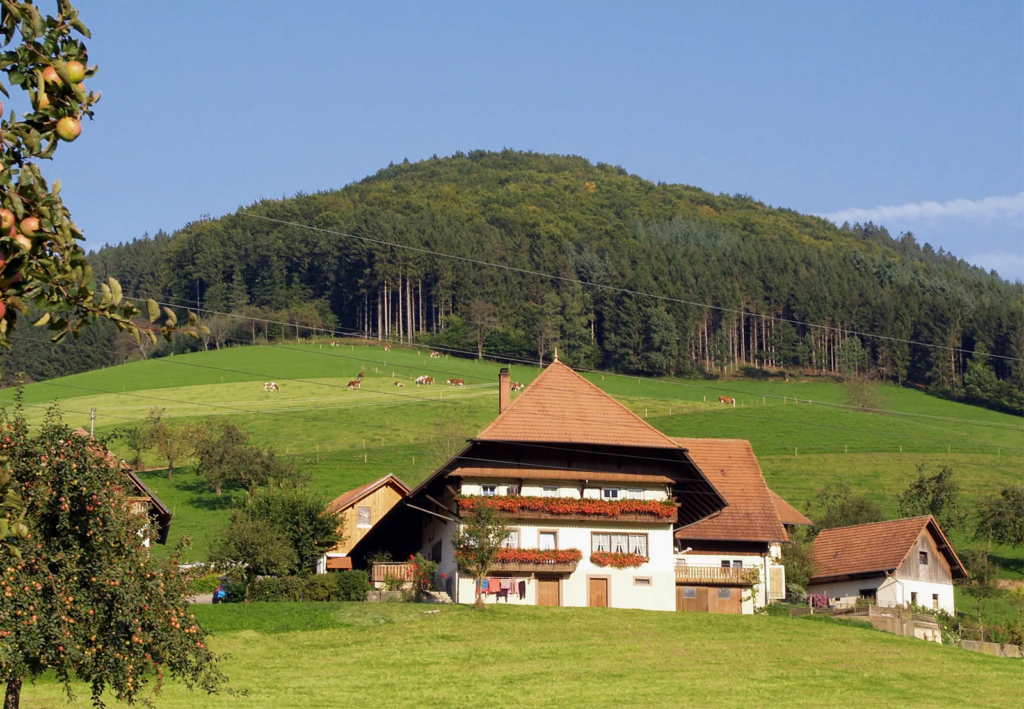
The Black Forest (Schwarzwald) is a vast, mountainous region in southwestern Germany known for its dense, evergreen canopies, picturesque villages, and folklore that inspired many of the Brothers Grimm’s fairy tales. This enchanting landscape is a haven for outdoor enthusiasts, offering world-class hiking trails, serene glacial lakes like Titisee and Schluchsee, and the highest waterfalls in Germany at Triberg. The region is equally famous for its unique cultural exports, including the traditional cuckoo clock, intricate woodcarvings, and the decadent Black Forest Cherry Cake. Whether you are exploring the elegant spa town of Baden-Baden or wandering through the medieval streets of Freiburg, the Black Forest provides a perfect blend of natural mystery and rustic German charm.
3. Cologne Cathedral (Kölner Dom)
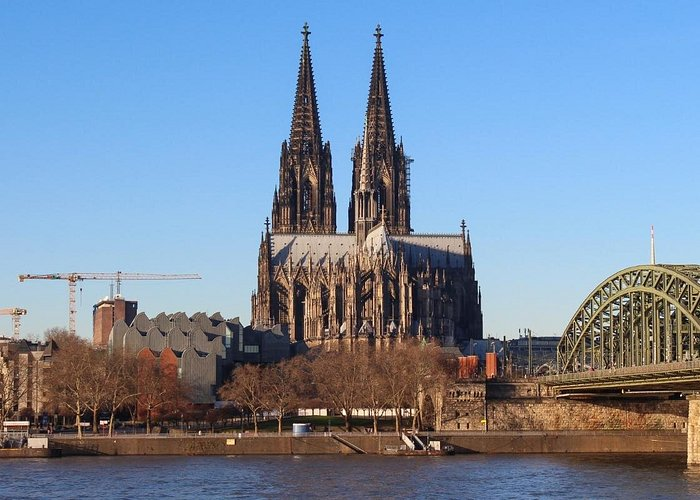
Cologne Cathedral is a colossal masterpiece of High Gothic architecture and one of the most visited landmarks in Germany, dominating the city’s skyline with its two massive twin spires that reach 157 metres into the sky. Construction began in 1248 but was not completed until 1880, meaning it took over 600 years to finish this monumental tribute to faith and engineering. The cathedral is a UNESCO World Heritage site and houses the Shrine of the Three Kings, a gilded sarcophagus believed to contain the relics of the Magi, making it a major site for international pilgrimage. Visitors can climb the 533 steps to the top of the South Tower for breathtaking views of the Rhine River, or marvel at the interior’s stunning stained-glass windows, including the vibrant modern pixelated window designed by Gerhard Richter.
4. Schloss Neuschwanstein: A Fairy-Tale Dream
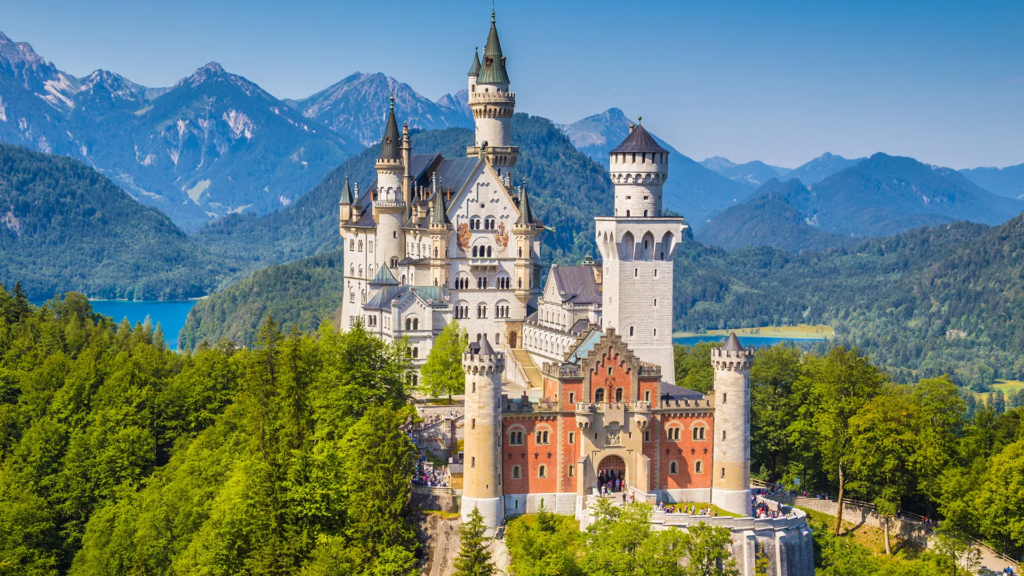
Perched atop a rugged hill in the Bavarian Alps, Neuschwanstein Castle is the quintessential “fairy-tale” fortress, famously serving as the inspiration for Walt Disney’s Sleeping Beauty Castle. Commissioned by King Ludwig II of Bavaria—often called “Mad King Ludwig”—in 1869, the castle was intended as a private retreat and a theatrical homage to the composer Richard Wagner. Despite its medieval appearance, the palace was built with the most modern technology of the time, including central heating and flushing toilets. Its interior is a lavish display of Romanticism, featuring walls covered in murals of knightly legends and an opulent Throne Hall. Today, it remains one of the most photographed buildings in the world, offering visitors a dreamlike experience of 19th-century royal idealism.
5. Miniatur Wunderland: A World in Miniature
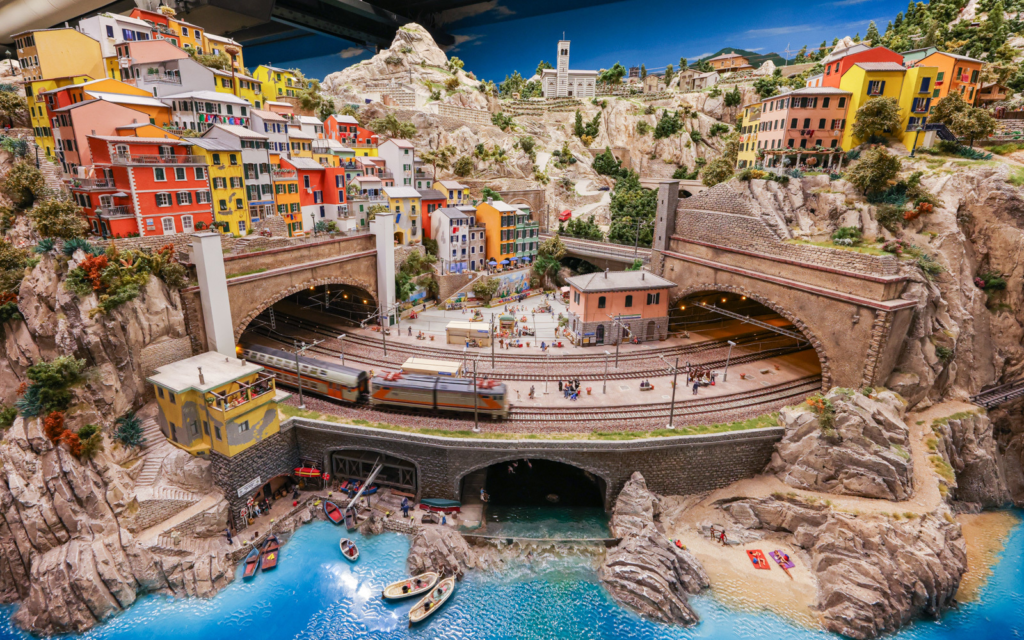
Located in the historic Speicherstadt warehouse district of Hamburg, Miniatur Wunderland is the world’s largest model railway exhibition and an absolute marvel of detail and imagination. It features over 16 kilometres of track and hundreds of thousands of tiny figures, bringing to life miniature versions of Germany, Scandinavia, Italy, and even a fully functioning airport with planes that take off and land. The attention to detail is staggering, with day and night cycles occurring every 15 minutes and thousands of moving parts controlled by advanced computer systems. It is not just a toy for children but a sophisticated piece of art and engineering that captures the essence of diverse global landscapes with humor, precision, and incredible technical skill.
6. Exploring the Rhine Valley: A Scenic Journey
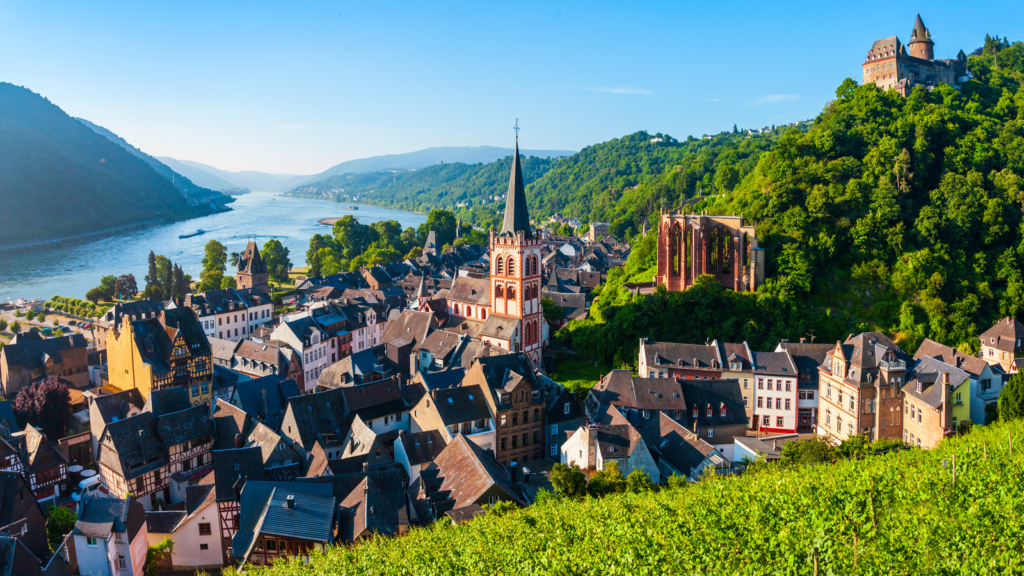
The Upper Middle Rhine Valley is a 65-kilometre stretch of river that is so beautiful and historically significant that it has been designated a UNESCO World Heritage site. This scenic journey takes you through a landscape of dramatic cliffs, terraced vineyards that produce world-famous Riesling wines, and more medieval castles than any other river valley in the world.
As you cruise or drive along the river, you pass the legendary Loreley Rock, where myth says a siren lured sailors to their doom with her song. The valley is dotted with charming timber-framed towns like Bacharach and Rüdesheim, where visitors can enjoy wine tastings in historic taverns and explore ancient fortresses that have guarded this vital trade route for centuries.
7. Marienplatz: Munich’s Historic Heart
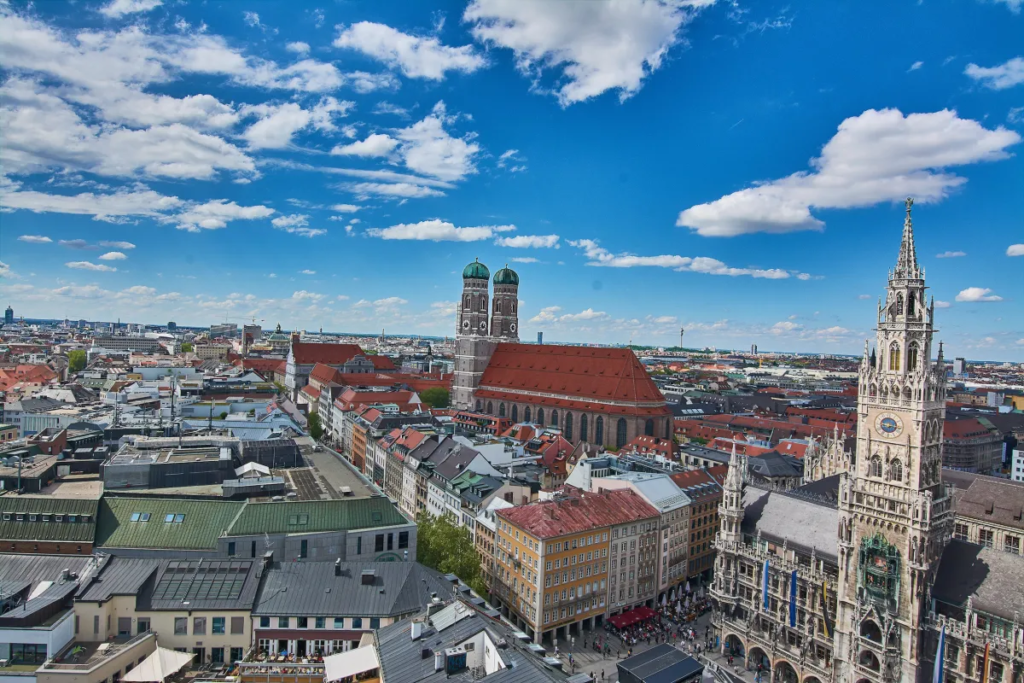
Marienplatz has been the central square of Munich since 1158 and remains the city’s beating heart, serving as a hub for festivals, markets, and political gatherings. The square is dominated by the stunning New Town Hall (Neues Rathaus), a massive neo-Gothic building famous for its Glockenspiel—a mechanical clock with life-sized figures that perform traditional dances and jousts several times a day. In the center stands the Mariensäule (Column of St. Mary), erected to celebrate the end of Swedish occupation during the Thirty Years’ War. Whether you are visiting during the festive Christmas Market or sitting at a nearby café to watch the crowds, Marienplatz is the perfect starting point for exploring Munich’s rich Bavarian culture and history.
8. Bamberg: A Charming Gem in Bavaria
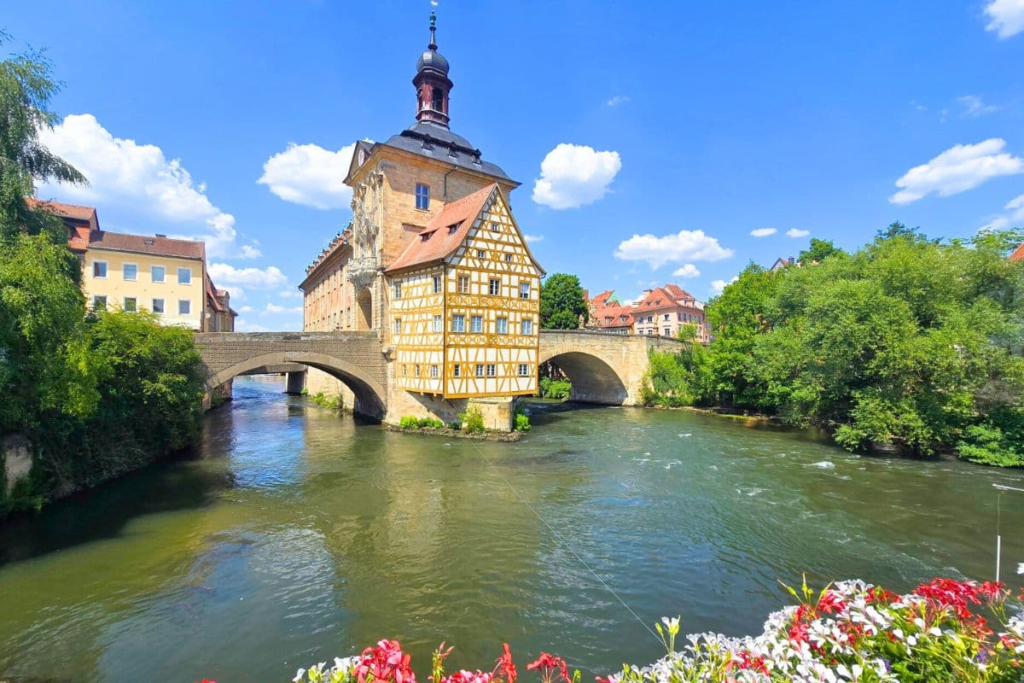
Bamberg is a rare and beautiful example of a central European town that survived the bombings of World War II, leaving its medieval and Baroque architecture perfectly intact. Built across seven hills like Rome, this UNESCO World Heritage city is famous for its unique “Old Town Hall,” which sits on an artificial island in the middle of a bridge over the Regnitz River. The city is also home to the Bamberg Cathedral with its famous “Bamberg Horseman” statue and a stunning Rose Garden at the New Residenz. Beyond its architecture, Bamberg is a paradise for beer lovers, world-renowned for its “Rauchbier” (smoked beer), which has been brewed in the city’s traditional breweries for hundreds of years.
9. Zugspitze Massif: A Majestic Alpine Experience
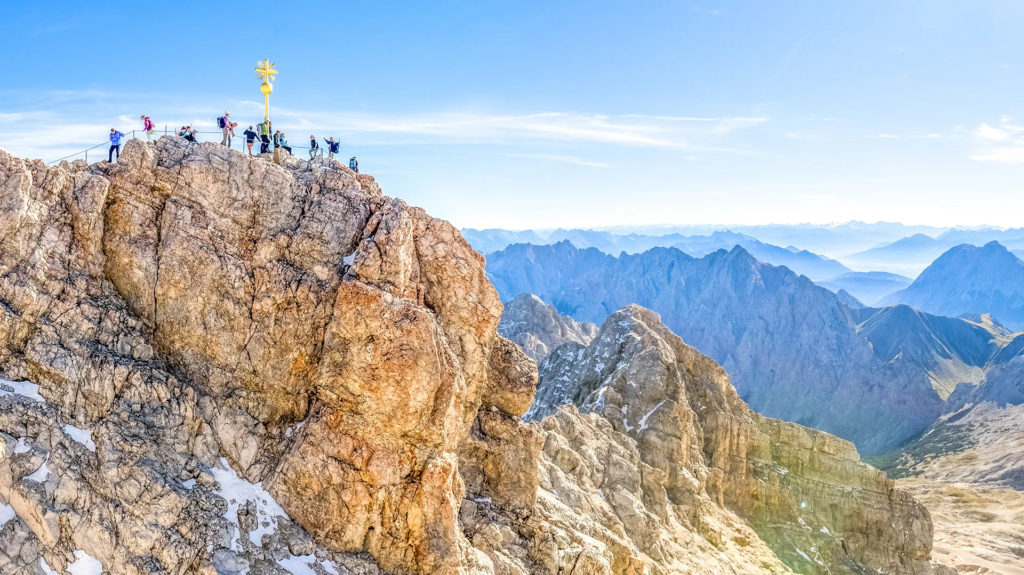
The Zugspitze is Germany’s highest mountain, standing at 2,962 metres above sea level on the border between Germany and Austria. The massif offers a majestic alpine experience accessible via a state-of-the-art cable car or a historic cogwheel train from Garmisch-Partenkirchen. From the summit, visitors are treated to a staggering 360-degree panorama of over 400 mountain peaks across four different countries. The Zugspitze is a year-round destination, offering glacier skiing in the winter and spectacular hiking and paragliding in the summer. At the top, you can visit Germany’s highest church and igloo village, making it a unique destination for those seeking both adventure and breathtaking natural beauty.
10. Explore the Natural Splendor of Rügen
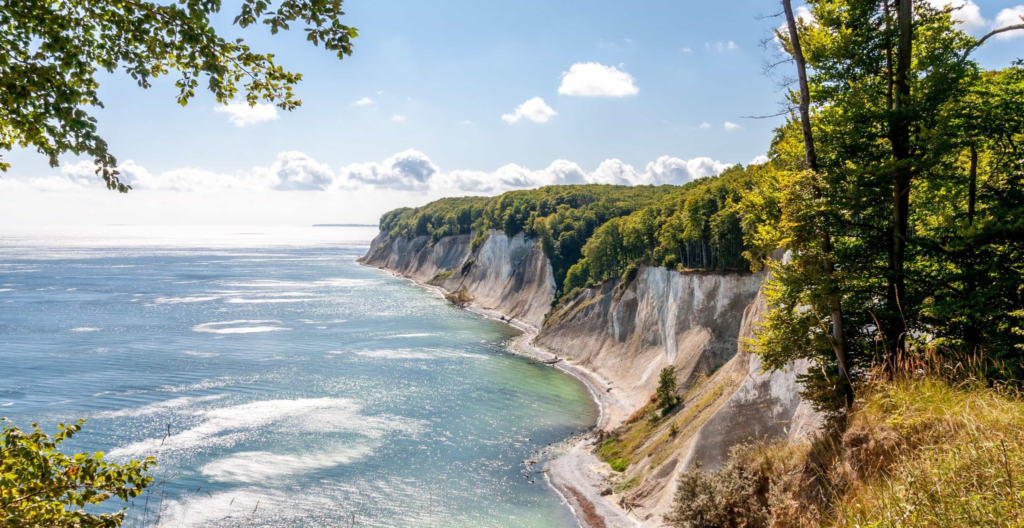
Rügen is Germany’s largest island, located in the Baltic Sea and famous for its dramatic white chalk cliffs that rise sharply out of the turquoise water in the Jasmund National Park. These cliffs, most notably the “Königsstuhl” (King’s Chair), were immortalized in the paintings of Caspar David Friedrich and remain a symbol of German Romanticism. The island is also known for its elegant 19th-century resort architecture in towns like Binz and Sellin, where white villas and grand piers stretch into the sea. With its long sandy beaches, ancient beech forests, and the charming “Racing Roland” steam train, Rügen offers a sophisticated and tranquil seaside escape that feels worlds away from the mainland’s industrial cities.
11. Königssee (King’s Lake), Bavaria: A Natural Gem
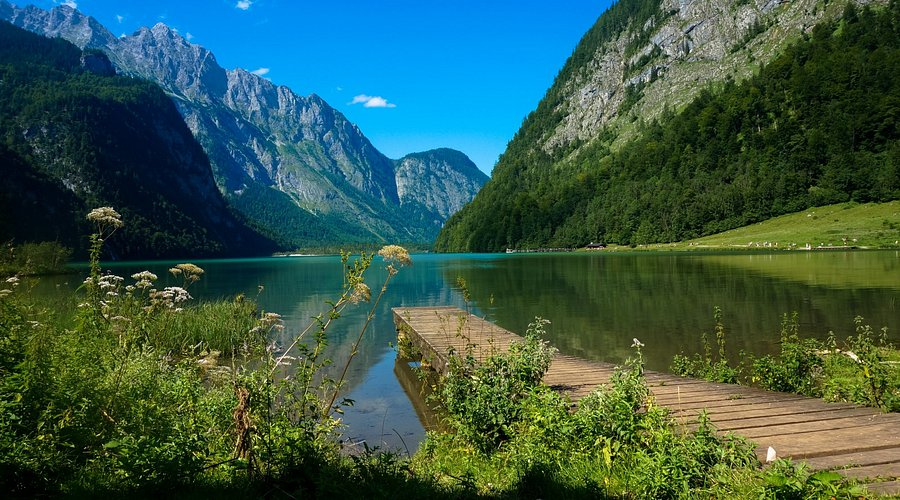
Königssee is often cited as Germany’s cleanest and most beautiful lake, nestled deep within the Berchtesgaden National Park and surrounded by sheer mountain walls that create an emerald-green, fjord-like atmosphere. Because it is so pristine, only electric-powered passenger boats are allowed to navigate its waters, ensuring a quiet and peaceful journey. A highlight of the boat trip is the stop at the Chapel of St. Bartholomew, a pilgrimage church with iconic red onion domes situated on a picturesque peninsula. The lake is also famous for its “echo,” which boat captains demonstrate by playing a flugelhorn against the rock walls, creating a hauntingly beautiful sound that resonates through the alpine valley.
12. Rothenburg ob der Tauber: A Timeless Medieval Gem
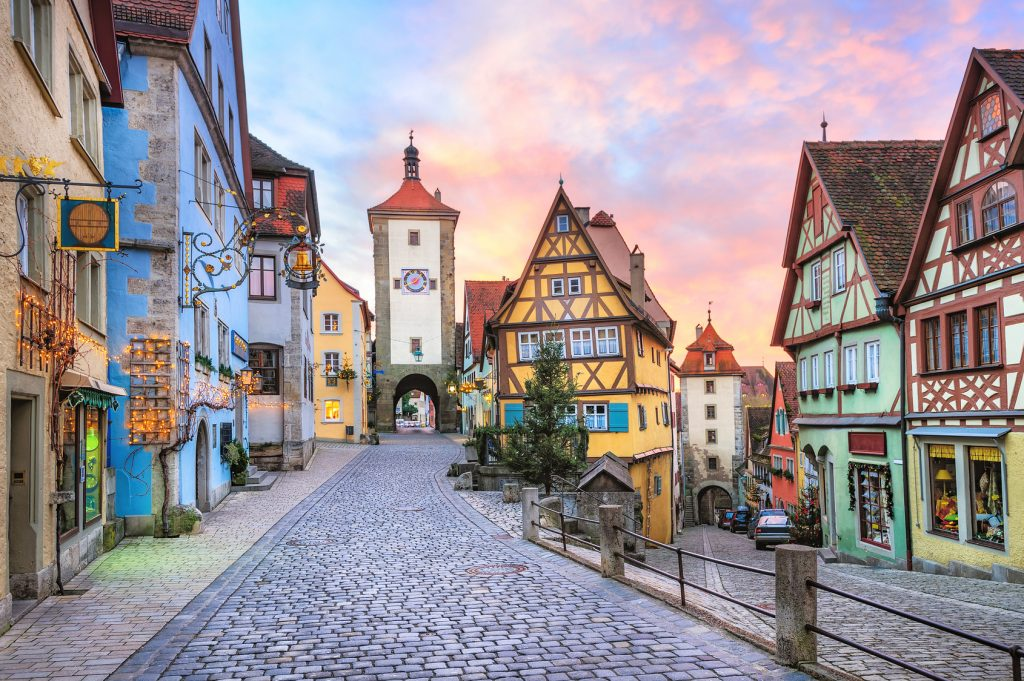
Rothenburg ob der Tauber is arguably the most well-preserved medieval town in Germany, featuring a maze of cobblestone streets, half-timbered houses, and a completely intact city wall that visitors can walk upon. Walking through the town feels like stepping back 500 years in time, especially at the Plönlein, a picturesque fork in the road that is one of the most photographed spots in the country. The town is also famous for its dark history, showcased at the Medieval Crime Museum, and its eternal Christmas spirit at the Käthe Wohlfahrt Christmas Village. Despite its popularity, Rothenburg maintains an authentic, magical atmosphere that makes it a “must-see” on the famous Romantic Road travel route.
13. Sanssouci Park: A Rococo Masterpiece
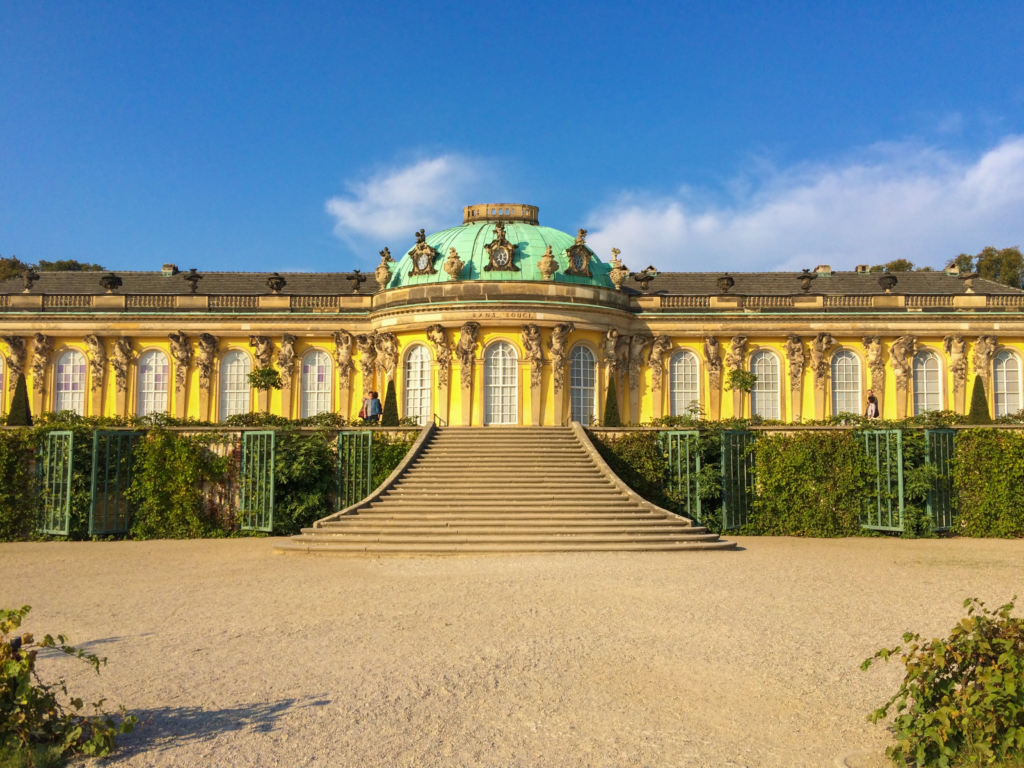
Located in Potsdam, Sanssouci Park was the summer retreat of Frederick the Great, King of Prussia, who wanted a place where he could live “without a care” (sans souci). The park is centered around the exquisite Sanssouci Palace, a single-story Rococo villa perched atop terraced vineyards. The park itself is a massive 290-hectare landscape containing several other architectural gems, including the grand New Palace, the Chinese House, and the Roman Baths. The harmonious blend of manicured gardens, classical statues, and playful architecture makes Sanssouci one of the finest examples of royal landscape design in Europe, earning it a place as a UNESCO World Heritage site.
14. Frankfurt
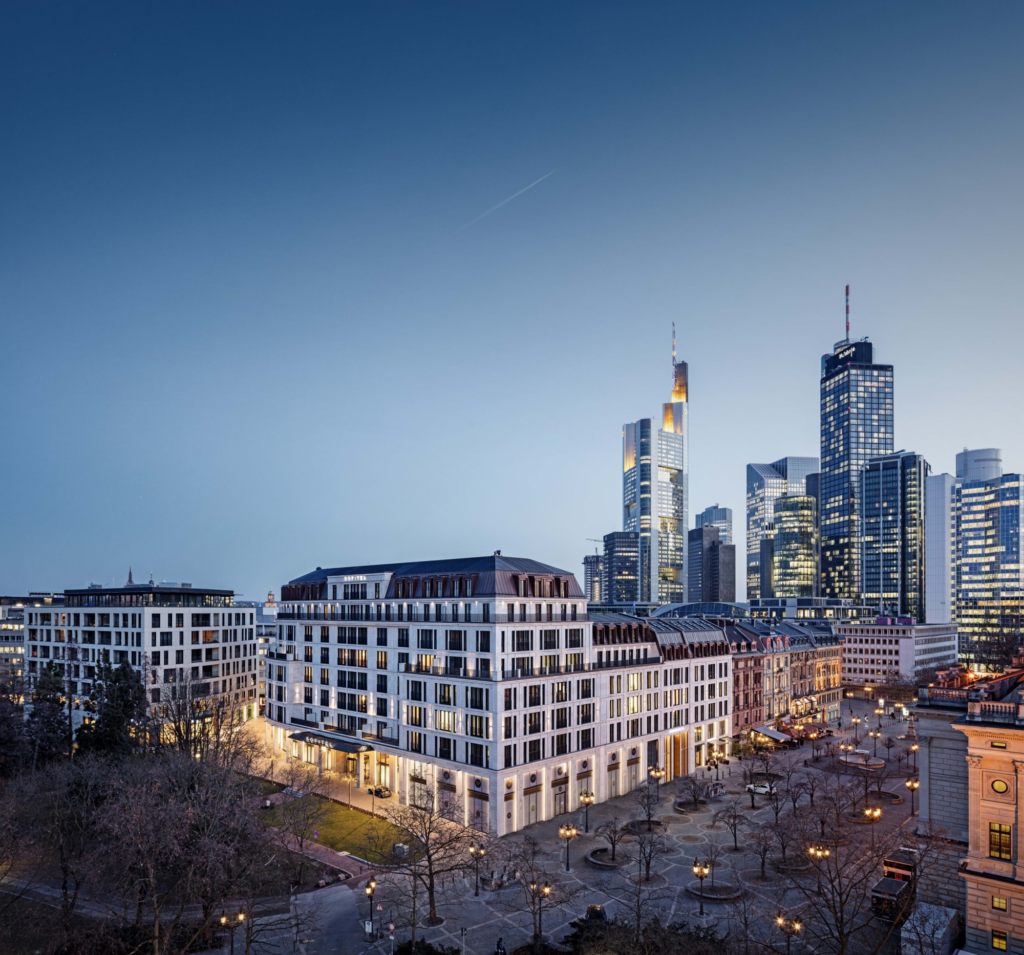
Frankfurt is Germany’s financial powerhouse and the only city in the country with a significant cluster of skyscrapers, earning it the nickname “Mainhattan.” As the home of the European Central Bank and one of the world’s busiest airports, it is a global hub of commerce and travel. However, beneath its modern glass-and-steel exterior lies a rich history; the Römerberg square features beautifully reconstructed medieval buildings and the Frankfurt Cathedral, where Holy Roman Emperors were once crowned. The city is also the birthplace of Johann Wolfgang von Goethe, Germany’s most famous writer, and is well-known for its vibrant museum embankment along the Main River and its traditional “Ebbelwoi” (apple wine) taverns in the Sachsenhausen district.
15. Lübeck
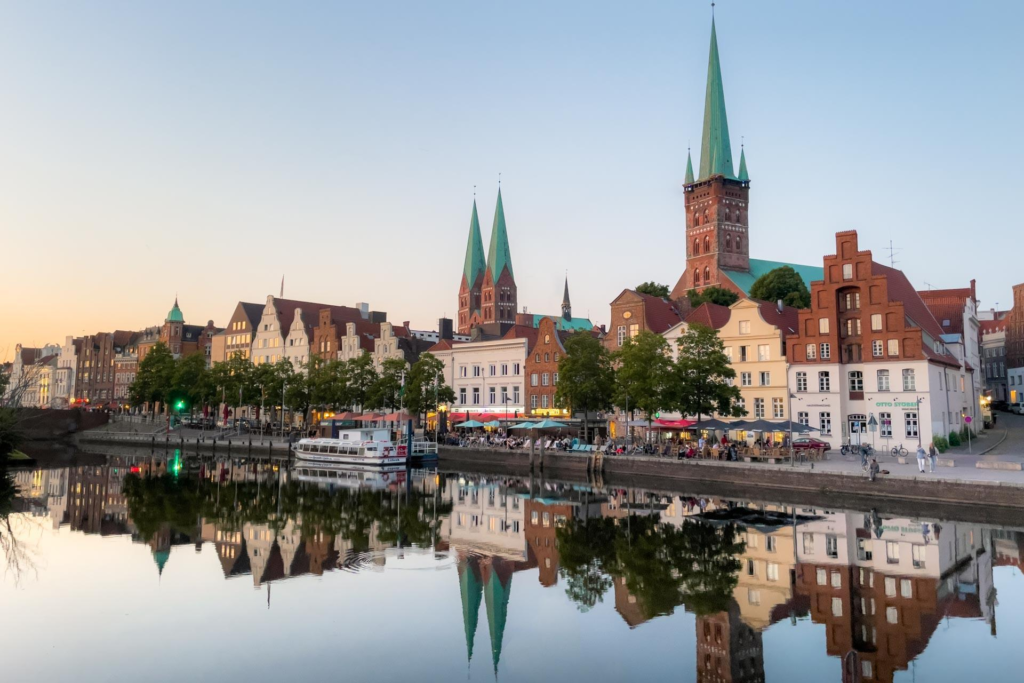
Lübeck is a historic port city in northern Germany that once served as the “Queen” of the Hanseatic League, a powerful medieval trading confederation. The city is famous for its distinctive “Brick Gothic” architecture, characterized by red brick churches and merchant houses, most notably the iconic Holsten Gate (Holstentor) with its leaning twin towers. The entire Old Town island is a UNESCO World Heritage site, filled with hidden courtyards and narrow alleys that tell the story of the city’s maritime wealth. Lübeck is also the world capital of marzipan, with the famous Niederegger cafe serving the almond treat for centuries, and it boasts a rich literary heritage as the home of Nobel Prize-winning author Thomas Mann.